
How to Respond to Negative Google Reviews: An Australian Business Guide

Reputation Management, Google Reviews, Australian Business
Negative Google reviews can feel personal, especially when you care deeply about your work. Yet how you respond matters just as much as the review itself. With a calm, professional approach, you can turn even tough feedback into an opportunity to demonstrate your standards, reassure future customers, and protect your reputation.
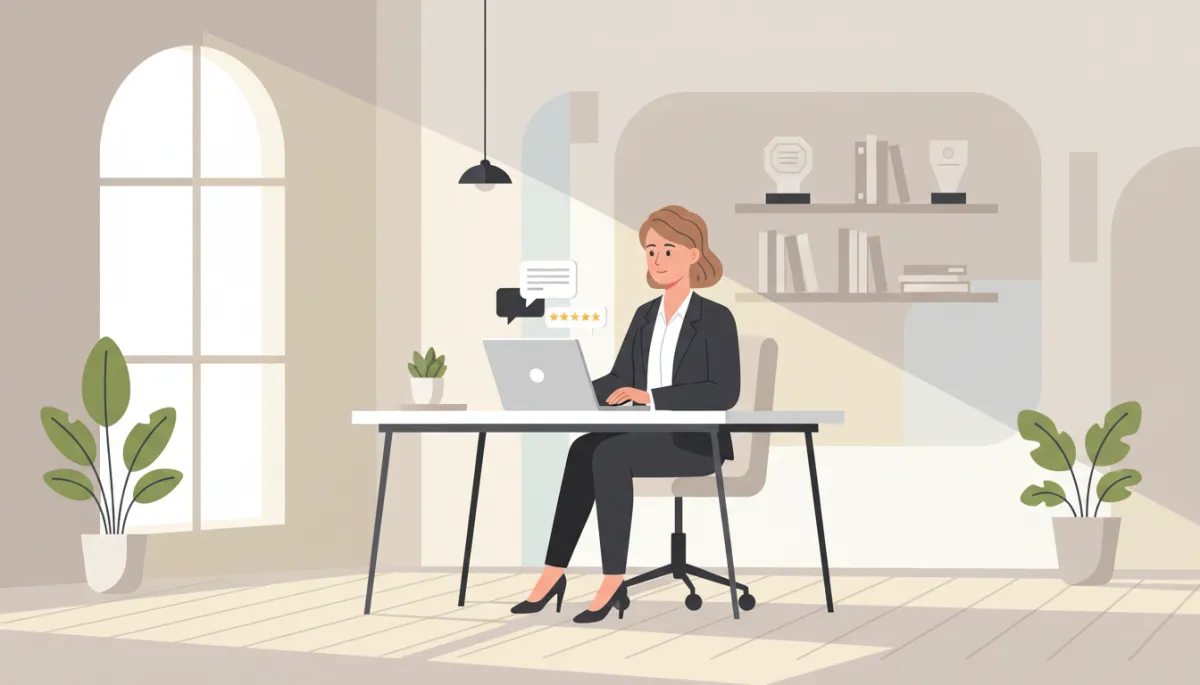
Why Australian businesses should always respond to negative reviews
It may be tempting to ignore a harsh comment, but silence sends its own message. When you respond thoughtfully to negative Google reviews, you are not just replying to one unhappy person; you are speaking to every future customer who reads that review. They are asking themselves, “What happens if something goes wrong here?” Your reply is the answer they will remember.
Responding shows that you:
Take feedback seriously – even when it is uncomfortable to hear.
Care about customer experience and are prepared to address issues.
Operate professionally and do not lash out when criticised.
A negative review does not automatically damage a business’s reputation. How the business responds can also influence what prospective customers think. A calm, professional reply shows that feedback is taken seriously and gives the business an opportunity to demonstrate how it handles concerns. In some cases, a reviewer may also choose to update their review after an issue has been resolved.
How quickly should you respond to a negative Google review?
Respond as promptly as reasonably possible. For many businesses, responding within a day or two is a practical goal, but accuracy and professionalism are more important than rushing. Take enough time to understand what happened, check the facts and ensure your response is calm and constructive.
💡 Practical tip: Set up email alerts for new Google reviews and nominate a team member to check and respond regularly, so nothing slips through the cracks.
If you need more time to investigate, you can still acknowledge the review quickly and indicate that you are looking into it. For example:
“Hi Sarah, thank you for your feedback. We are sorry to hear about your experience and are looking into what happened. Our team will be in touch with you directly shortly.”
Acknowledging concerns without admitting fault unnecessarily
You can be empathetic and constructive without automatically accepting legal or factual responsibility. Focus on the person’s feelings and experience, rather than conceding that your business was entirely at fault if the situation is unclear or disputed.
Acknowledge their perspective: “We are sorry to hear you were disappointed,” or “We understand this was frustrating for you.”
Express concern and willingness to help: “We would like to look into this further,” or “We would appreciate the chance to discuss this with you.”
Refer to policies factually: “Our records show that…” or “As outlined in our booking policy…”
This approach respects the reviewer’s experience while protecting your position. Avoid defensive language such as “You are wrong” or “That never happened”. Instead, use neutral phrasing like “Our understanding of the situation is slightly different” followed by a brief explanation, if appropriate.
What not to say in a response to a negative review
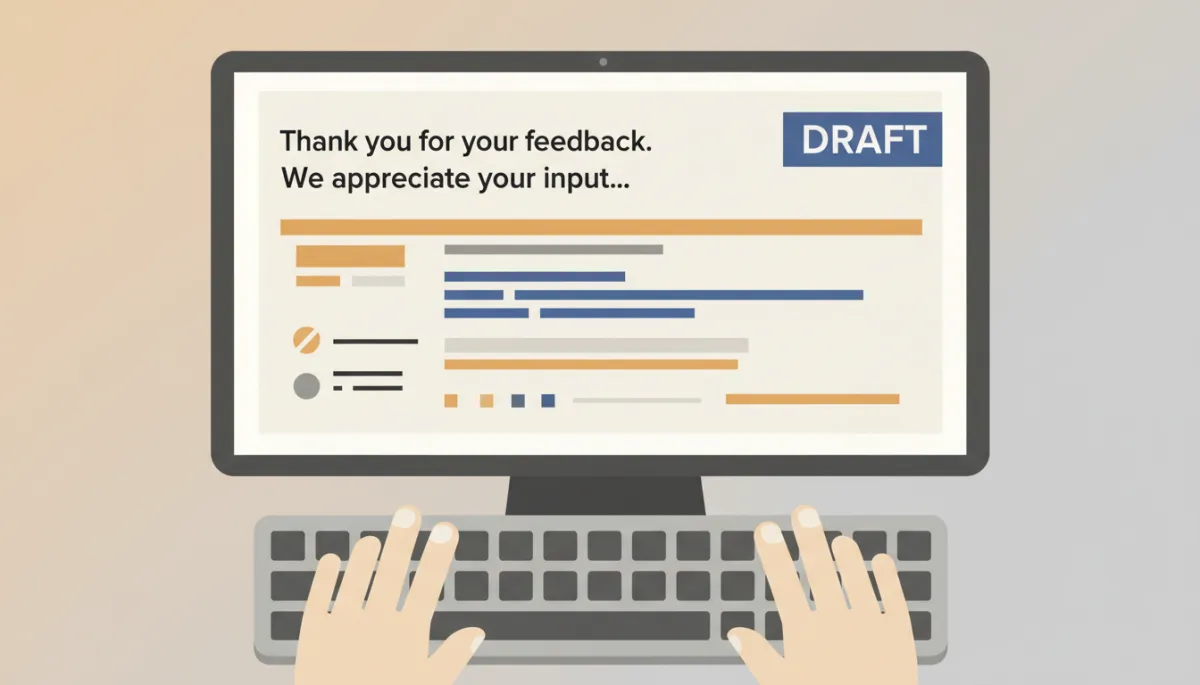
A measured, neutral tone in your written response helps protect your brand long term.
Do not argue or get personal. Avoid sarcasm, blame, or questioning the reviewer’s character. Remember, your audience is everyone reading, not just the original poster.
Do not share private information. Never disclose personal details, medical information, or anything that could breach privacy laws or your own policies, even if you think it proves your point.
Do not threaten legal action in your reply. If you genuinely need legal advice, seek it privately. Public threats usually escalate matters and can make your business appear heavy-handed.
Do not offer incentives for changing reviews. Google’s policies prohibit review manipulation. Offering discounts, freebies, or refunds specifically in exchange for review edits can put your listing at risk and undermine trust.
⚠️ Important: Never ask customers to leave only positive reviews or to change their rating in return for compensation. Focus instead on resolving the issue and providing good service.
When to take the conversation offline
Public replies should be brief, respectful, and non-argumentative. If the situation is complex, emotional, or involves sensitive details, invite the reviewer to continue the discussion privately via phone or email. This allows you to properly understand what happened and explore solutions without a public back-and-forth.
A simple structure is:
Thank them for the feedback.
Acknowledge their disappointment.
Invite them to contact you directly with contact details included.
“Hi James, we are sorry to hear that your recent visit did not meet your expectations. This is not the experience we aim to provide. We would appreciate the opportunity to discuss this with you further. Please contact our manager on (02) 0000 0000 or email [email protected] so we can look into this in more detail.”
If the reviewer continues to post publicly after you have made a reasonable attempt to resolve the matter, keep your replies calm and concise. Avoid being drawn into a prolonged debate.
Handling fake, misleading, or policy-violating reviews
Occasionally, businesses receive reviews that appear to be fake, from competitors, or from people who have never been customers. Google’s review policies prohibit spam, conflicts of interest, hate speech, and other inappropriate content. While you cannot remove reviews yourself, you can flag them for Google to assess.
Use the “Flag as inappropriate” option in your Google Business Profile to report suspected policy breaches.
Provide clear reasons and, where possible, supporting information through the support channels.
While you wait for Google’s review, it is still wise to post a short, professional response. This reassures potential customers that you are aware of the issue and sets the record straight without breaching privacy or attacking the poster.
“Thank you for your feedback. We take customer concerns seriously; however, based on the information provided, we have been unable to identify a record of your interaction with our business. We would appreciate the opportunity to understand this further. Please contact us directly with additional details so our team can investigate.”
Avoid accusing the reviewer of lying or naming suspected competitors. Stick to factual statements about your records and your willingness to resolve genuine issues.
Examples of professional review responses
Example 1: Service delay at a café
“Hi Emma, thank you for taking the time to share your experience. We are sorry to hear that your coffee took longer than expected and that this affected your visit. We had an unusually busy morning and clearly did not communicate the wait time as well as we should have. We appreciate your feedback and will be reviewing our processes with the team. If you would like to discuss this further, please contact us at [email protected]. We hope we can welcome you back in future.”
Example 2: Disputed invoice for a tradie
“Hi Mark, we are disappointed to read that you were unhappy with your recent job. We understand billing can be a sensitive topic. Our records indicate that the final invoice matched the written quote provided and approved prior to the work. That said, we never want a customer to feel dissatisfied. Please contact our office on 03 0000 0000 so we can go through the invoice with you and address any concerns.”
Example 3: Alleged rude staff member in a clinic
“Hi Olivia, thank you for your feedback. We are genuinely sorry to hear that you felt our team member was rude during your appointment. This is not the standard of service we aim to provide. We take concerns about staff behaviour seriously and will be following this up internally. As we respect patient privacy, we are unable to discuss specific details here, but we invite you to contact our practice manager on [email protected] so we can speak with you directly.”
Practical reputation-management advice for Australian businesses
Responding well to negative Google reviews is one part of a broader reputation strategy. A few practical habits can make a significant difference over time:
Encourage genuine reviews from happy customers. After completing a service or transaction, invite eligible customers to share their honest experience on Google using consistent, neutral wording. Avoid selectively requesting reviews based on whether you expect the feedback to be positive or negative, and never offer incentives in exchange for reviews.
Monitor your profile regularly. Schedule a quick weekly review of new comments and ratings so you can respond promptly and spot recurring themes.
Look for patterns in complaints. If multiple people mention the same issue – such as wait times, communication, or pricing clarity – treat it as valuable feedback and review your processes.
Train your team on tone and templates. Provide staff with example responses and guidelines on language, so replies remain consistent, calm, and on-brand, even when emotions run high.
📌 Key takeaway: You cannot control every review, but you can control how you respond. A steady, professional approach builds trust over time.
Above all, resist the urge to argue, retaliate or manipulate reviews. Buying fake reviews, asking staff to post misleading reviews, or pressuring customers to remove genuine criticism can damage trust and may also breach platform policies. Focus instead on collecting authentic customer feedback and responding professionally to both positive and negative reviews.
When you treat every review as an opportunity to demonstrate your professionalism, you send a clear message: your business listens, learns, and takes responsibility for the experience it provides. Over time, that consistency can become one of your strongest competitive advantages in the Australian market.
Eureka Digital Partners
Specialist team helping Australian service businesses automate Google Business Profile reviews and dominate local search rankings safely and ethically under Australian Consumer Law.
Related Articles
View All Insights →Incentives for Google Reviews: Legal Guide Australia
A complete guide on what Australian local businesses can and cannot do regarding incentives for Google reviews under Google's policies and Australian Consumer Law.
Local SEO: Essential for Australian Small Businesses
Discover why local SEO is crucial for small businesses in Australia to attract and retain local customers.
Want to turn completed jobs into 5-star Google reviews?
Get a free Google Business Profile audit and discover how automated review collection can grow your business safely.